

Sacred Words — Metaphysical Sonnet
www.eastwindpoems.site

© 2025 Scott L. — All rights reserved.
No copying, redistribution, or use without permission.
Sacred Words — Metaphysical Sonnet
By Scott L.
My soul engraven with Thy Word, O Lord,
Set deep in me before the dawn of breath.
Thy secret fire became my inward cord,
A hidden lamp that guards my steps from death.
When shadowed realms extend their veil of fear,
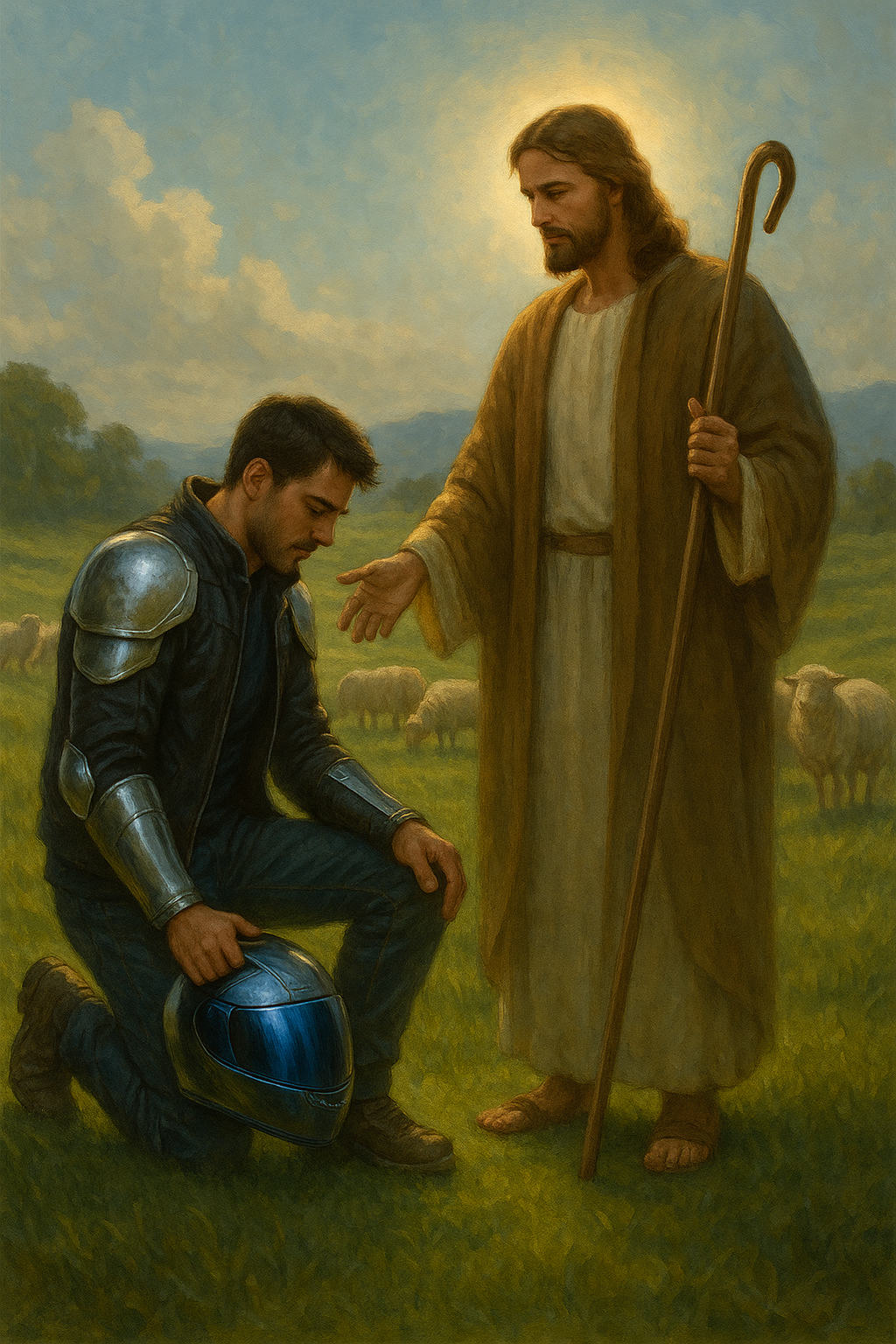
Thy rod breaks through the mist that would confine.
Thy staff recalls my wandering spirit near
And draws me back into Thy heart divine.
Thou art the Light no darkness can enclose;
The flame that spoke when first the stars were cast.
In Thee, the ache of mortal longing slows,
And all my restless nights grow still at last.
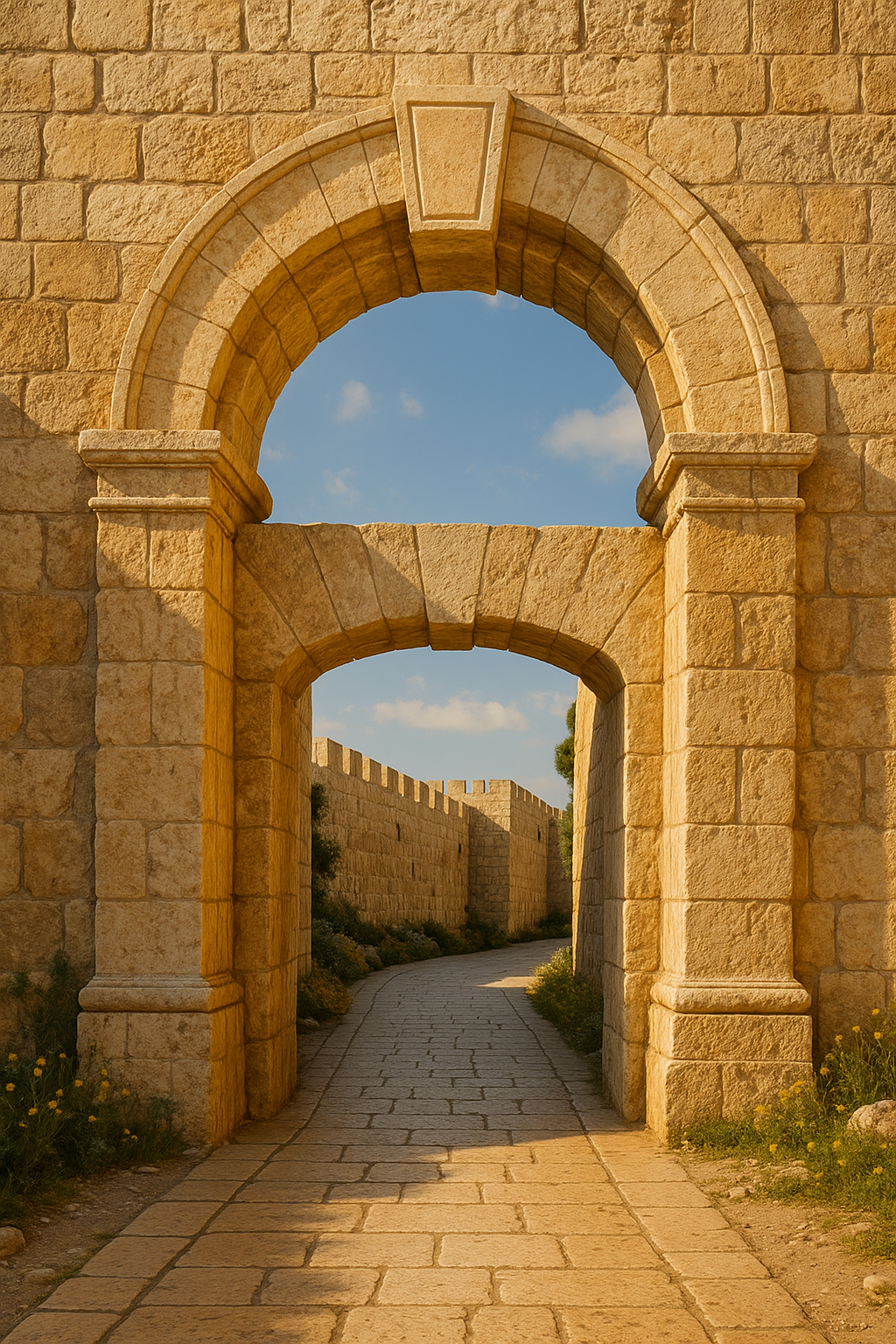
Thou Cornerstone of Heav’n’s eternal gate—
My soul’s first Home, and Heaven’s final fate.
Epigraph
This sonnet was born from an attempt to speak in a language almost forgotten—
the sacred cadence of Shakespearean meter shaped around the eternal truth of Scripture.
Few writers attempt such a fusion, for it demands what rarely coincides in one heart:
reverence, discipline, theological depth, poetic architecture, and the courage to wrestle
with a form that yields only to precision.
The early drafts carried beauty, yet something remained unanchored.
The structure stood, but the soul did not yet breathe.
Only when the opening line came into its true form—
“My soul engraven with Thy Word, O Lord”
—did the sonnet lock into place.
That single line became the hinge, the cornerstone, the bearing beam upon which
the entire poem found coherence.
It was as though one phrase aligned the spiritual, the poetic, and the metaphysical at once.
The experience mirrored a deeper truth, one older than poetry itself:
“And He is before all things, and in Him all things hold together.”
—Colossians 1:17 (NKJV)
In the same way Christ holds the cosmos in its order,
this line held the sonnet in its unity.
Form and faith interwove; meter and meaning embraced;
what was nearly impossible became possible,
not through craft alone, but through revelation.
Thus this sonnet stands not merely as a work of poetic discipline,
but as testimony—
a reminder that even in art,
the Word engraved upon the soul is what holds everything together.
LITERARY COMMENTARY
Overview
This sonnet stands at the crossroads of Shakespearean form, metaphysical poetry, and Christian theology. It resurrects a classical poetic architecture not merely as homage but as spiritual vessel.
Anchor Line Significance
The line:
“My soul engraven with Thy Word, O Lord”
functions as a keystone—a structural, theological, and metaphysical pivot. Before its introduction, the sonnet exhibited technical promise but lacked spiritual gravitas. After its placement, the poem aligned with a coherence reflecting its message: the soul inscribed by the divine.
Metaphysical Depth
The sonnet engages concepts of:
Pre-existence
Divine inscription
The light of creation
Return of the wandering soul
Christ as Cornerstone
Eschatological destiny
It operates in the lineage of Donne, Herbert, and the King James translators.
Structural Mastery
Perfect meter
Unbroken quatrain progression
Rhyme scheme honored without strain
The final couplet offers theological resolution
Why It Is Rare
Most modern poets cannot synthesize:
Classical meter
Sacred theology
Metaphysical symbolism
Personal testimony
This sonnet does all four simultaneously.
