What Is Art in 2025? Exploring Minecraft, GTA 5, and Tetris
Art has evolved far beyond paint, canvas, and sculpture. In 2025, one of the most influential art forms on Earth isn’t found in galleries at all—it’s in our hands, glowing on a screen.
Video games have become the most immersive medium ever created, blending visual design, storytelling, music, architecture, and interactivity into a single experience that engages all the senses.
People aren’t just looking at the art—they’re inside it. The fusion of cinematic sound, layered world-building, and responsive animation creates something no static medium can match. It’s part film, part concert, part dreamscape—alive only when someone plays.
The scale is staggering. Nearly half the world’s population—about 3.7 billion people—plays video games. The top five countries alone—China (~681 million), India (~568 million), United States (~215 million), Japan (~74 million), and Mexico (~72 million)—account for over 1.6 billion gamers, showing not just popularity, but the cultural and global reach of gaming.
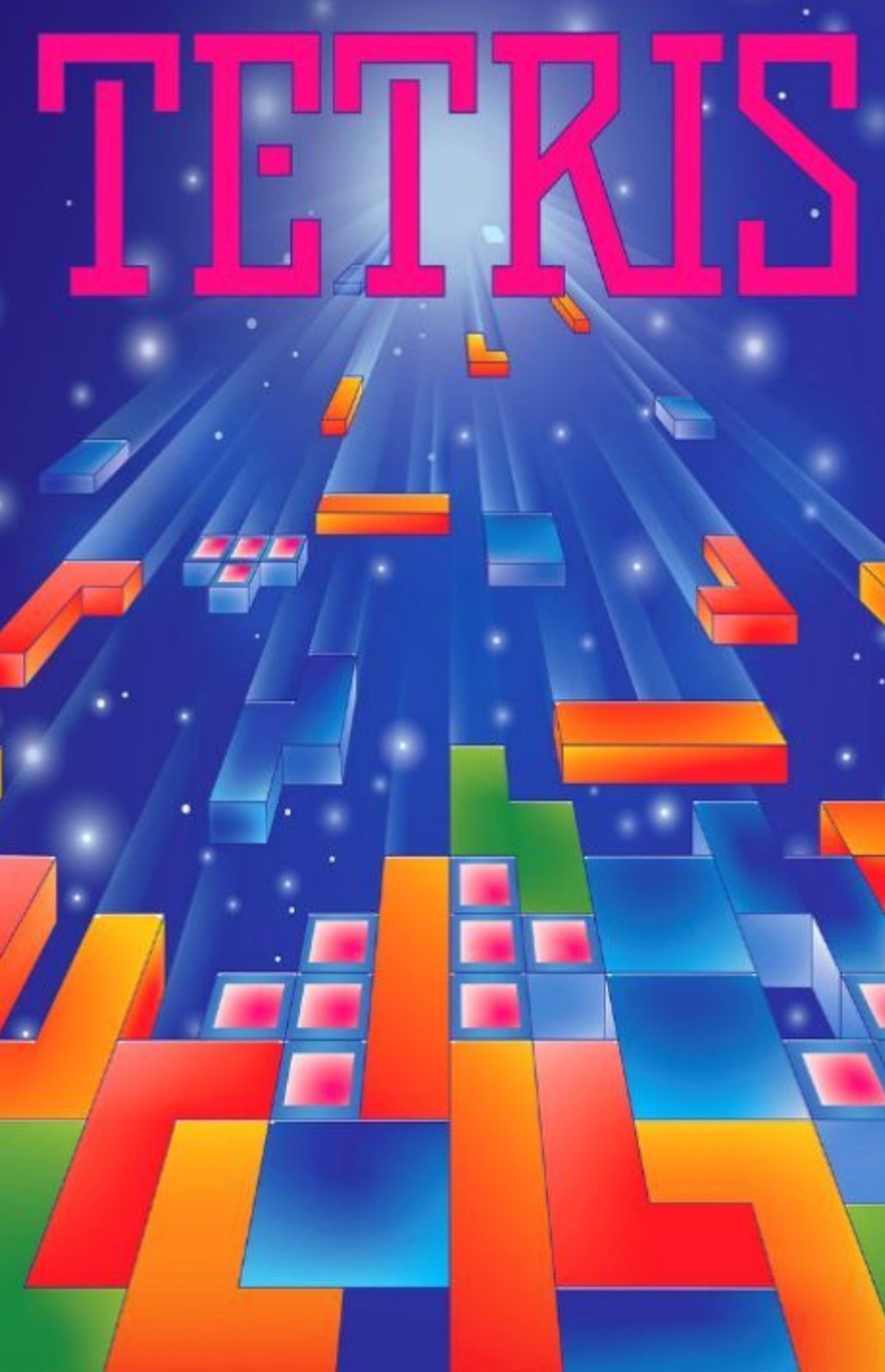
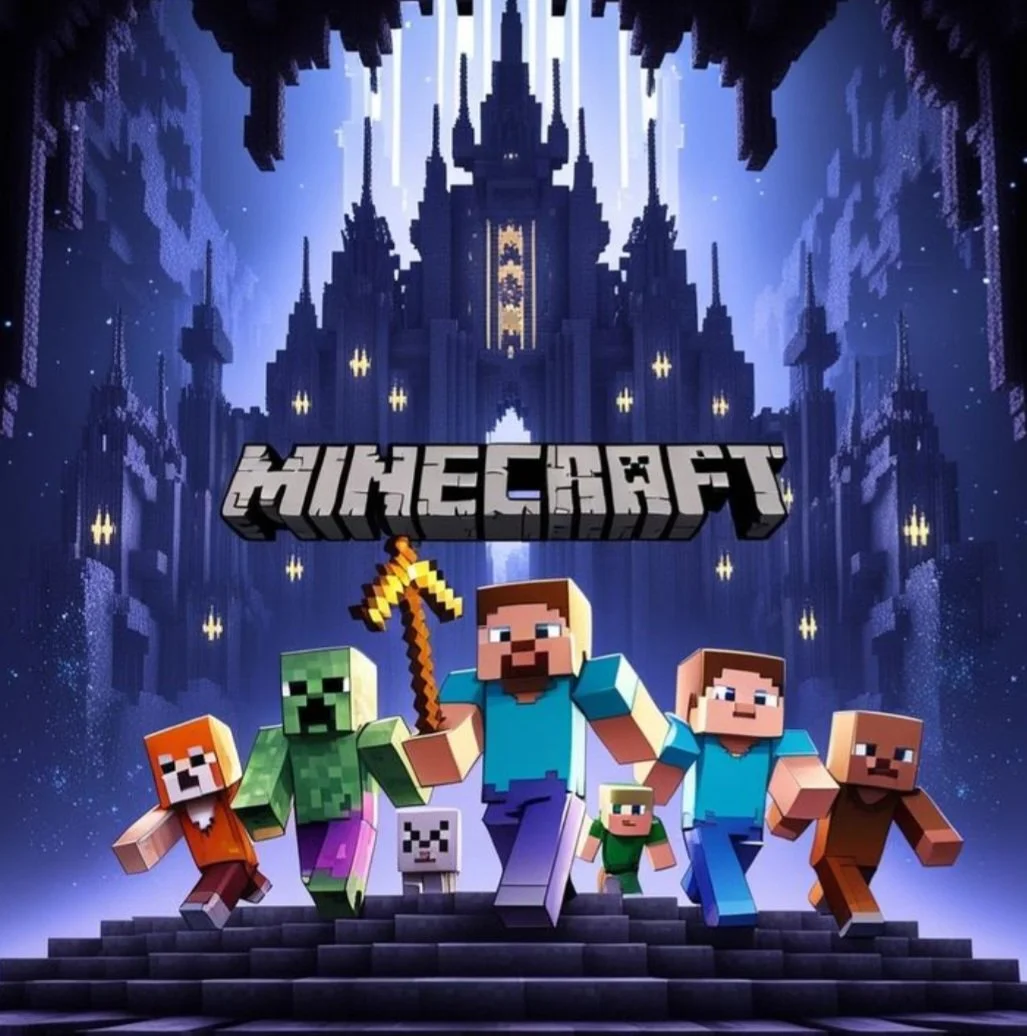
Within this massive community, a few titles continue to define the medium. Minecraft (over 300 million copies sold), Grand Theft Auto V (over 200 million), and Tetris (100–150 million) have captured imaginations across generations and cultures. Together, they’ve inspired legions of designers, architects, musicians, and storytellers to follow, proving that gaming is more than entertainment—it’s a canvas for creativity.
Beyond the screen, video games influence countless other mediums. Artists share digital illustrations on Pinterest and Instagram, cosplay communities bring characters to life, and filmmakers draw visual inspiration from game worlds. Music, animation, and even architecture borrow aesthetic cues from gaming, demonstrating how deeply video games shape contemporary culture.
AI and the New Creative Frontier
Behind the artistry of video games lies a technological shift. Studios increasingly use AI to generate characters, landscapes, textures, and even story scaffolds — one study shows 87% of developers now leverage AI agents in some form. Yet human creativity remains central, guiding gameplay, narrative, and emotion to ensure these worlds don’t just look polished, but feel alive. The result is a new kind of collaboration: art and machine working together, amplifying imagination without replacing the human touch.
And perhaps that’s the point.
If art is meant to move us, to make us feel, to make us act—then how could we deny that video games have become one of the defining art forms of our time?

By the Numbers: Gaming in 2025
Players worldwide: ~3.7 billion (nearly half the planet)
Top 5 countries by gamers:
China: ~681 million
India: ~568 million
United States: ~215 million
Japan: ~74 million
Mexico: ~72 million
Top 3 most popular games:
Minecraft: 300+ million copies sold
Grand Theft Auto V: 200+ million copies sold
Tetris: 100–150 million copies sold
AI integration: 87% of developers now use AI in some part of game design